
Sensing
the unseen.
A sensory interface system that translates indoor presence into sound, touch, and context.
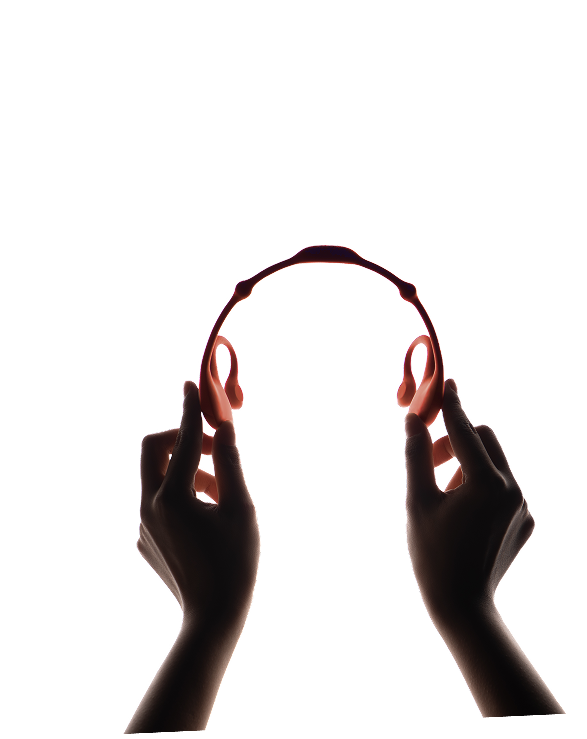
Designed to be understood by touch.
No screen. No visual confirmation. The product is read through form, rhythm, sound, and touch.
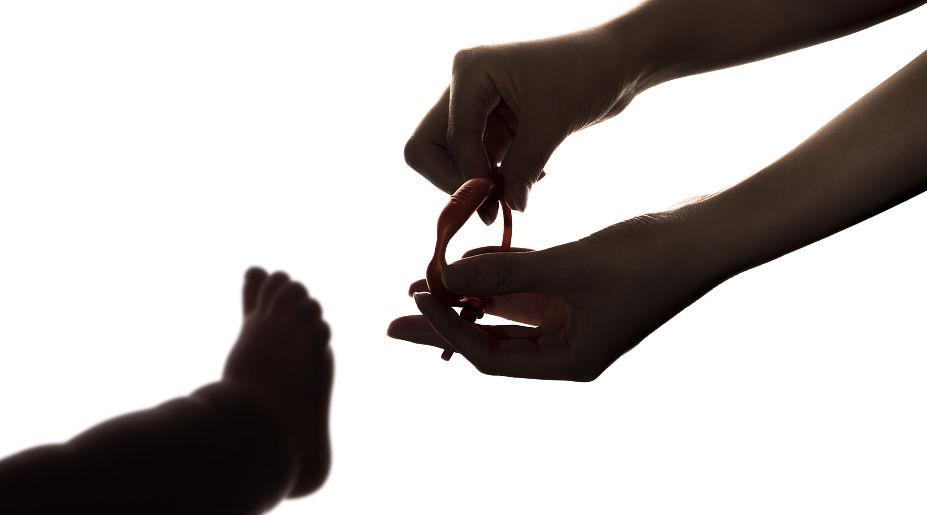
Presence is not enough.
A bell can signal presence. It cannot explain direction, distance, status, or context.
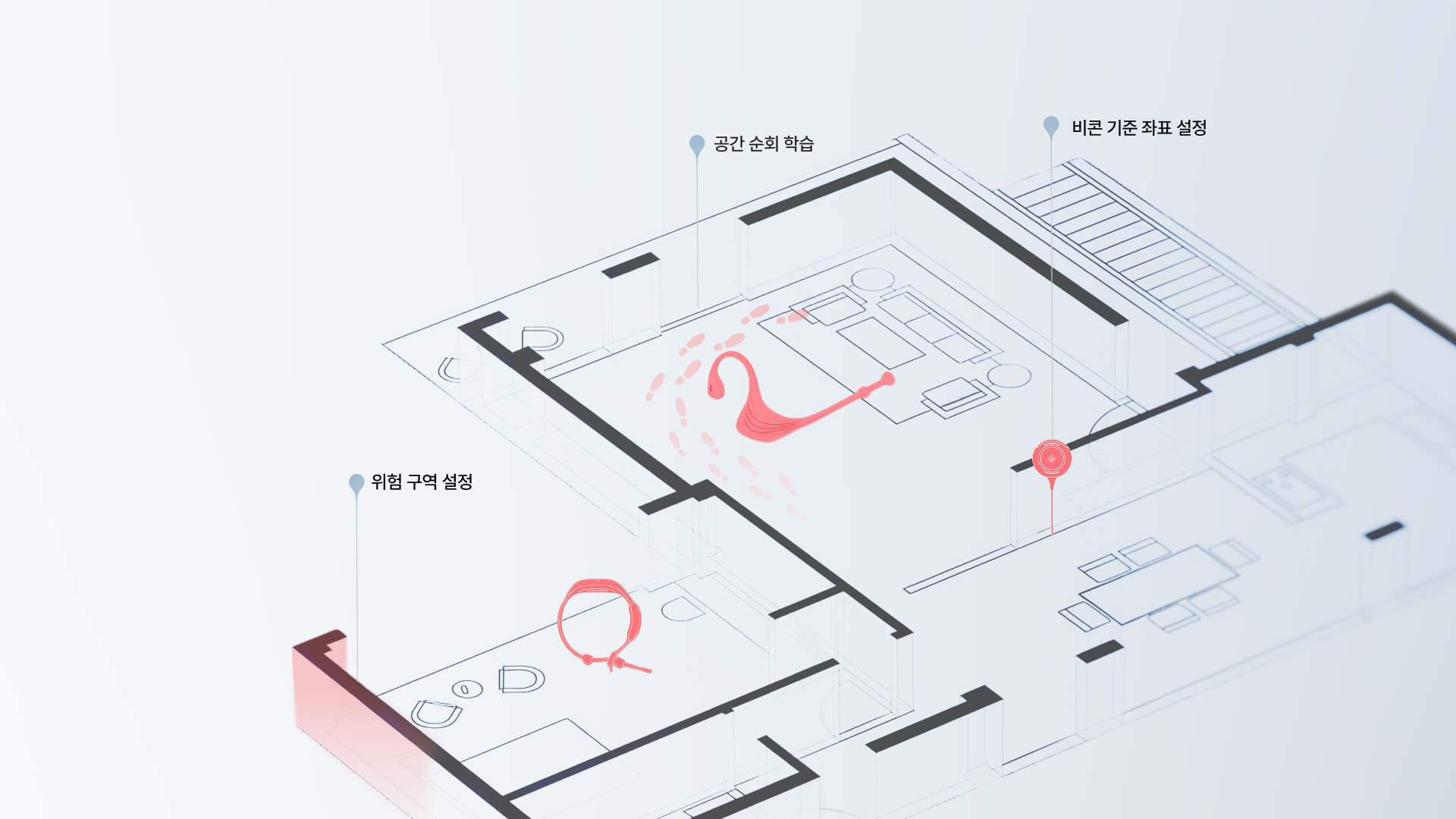
The room becomes readable.
Room learning, risk zones, and beacon coordinates form a readable indoor map.
Three devices.
One system.

 Parent Device
Child Device
Beacon
Parent Device
Child Device
Beacon
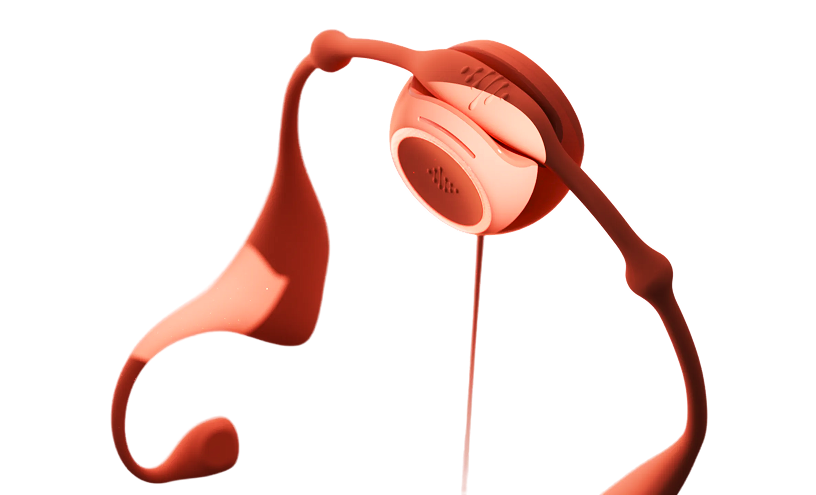
A sensory interface worn by the parent.
Location and movement become sound and touch.
Bone-conduction
Spatial feedback without visual confirmation.
Asymmetric form
Orientation and function are distinguished by touch.
Gesture panel
Commands are controlled through tactile gestures.
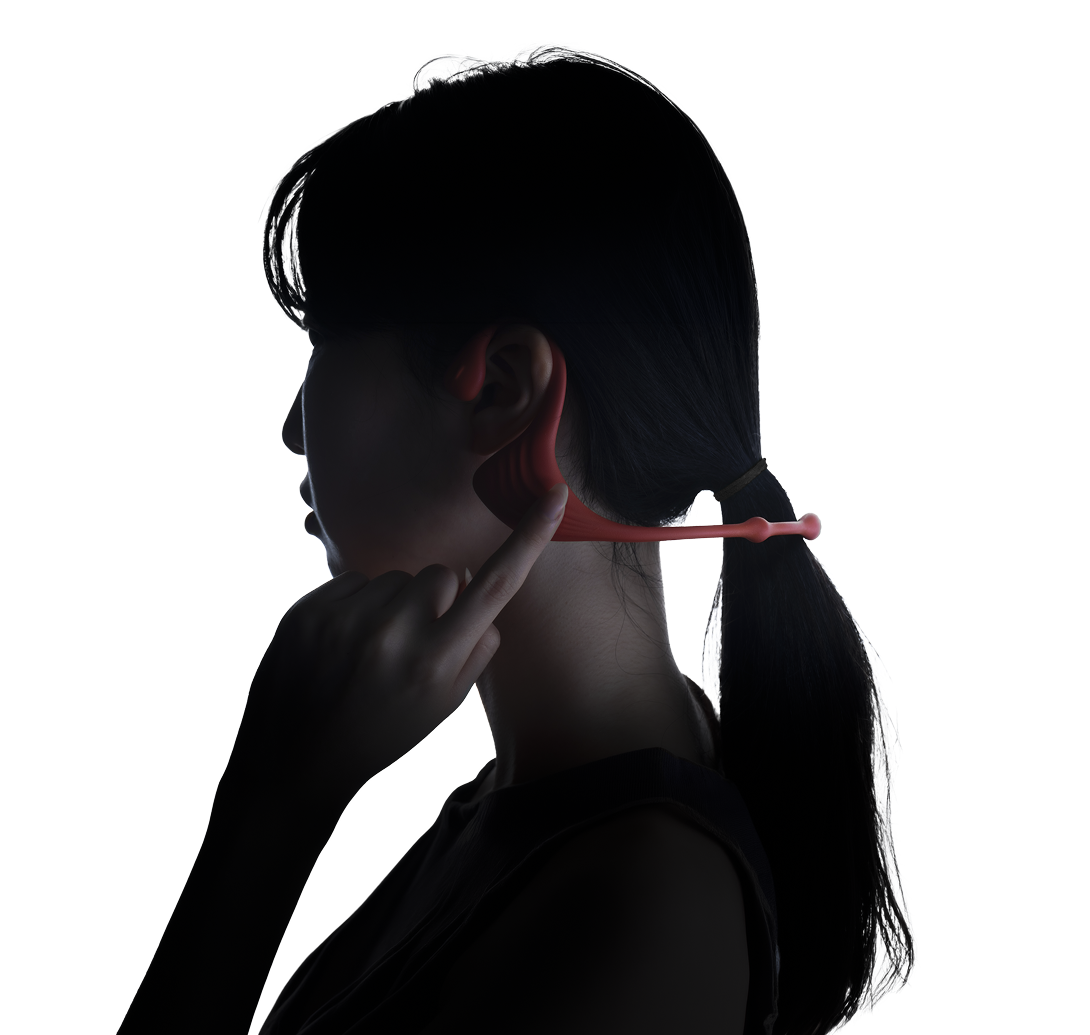 Wearing Experience
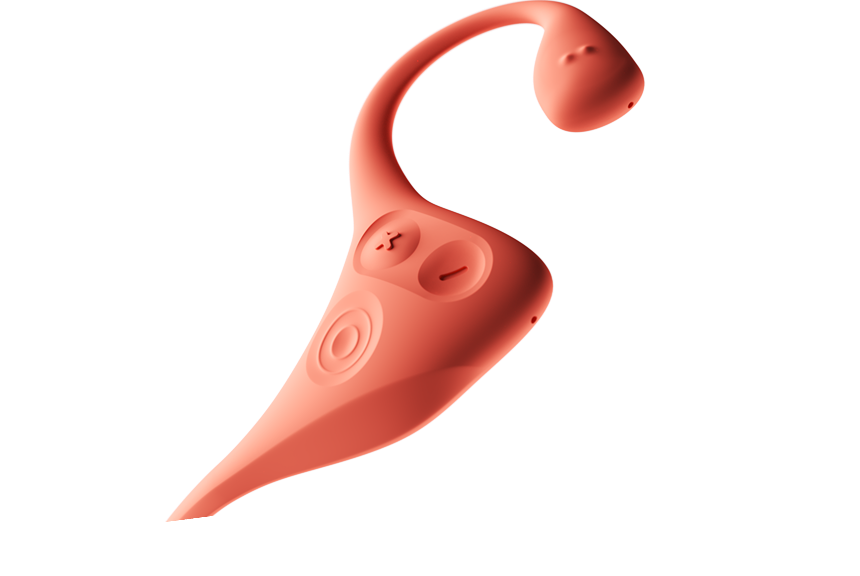 Haptic PUI
 Form Language
Soft, adjustable, wearable.
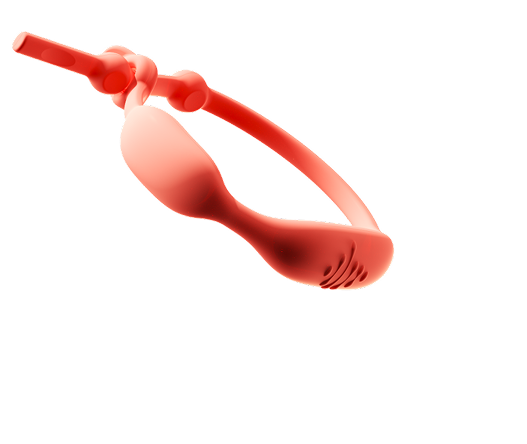
A soft receiver that communicates the child’s movement and direction.
Soft receiver
A silicone structure designed for child movement.
Adjustable band
The circular band adapts to the wearing condition.
Spatial sound
Location is translated into directional audio.
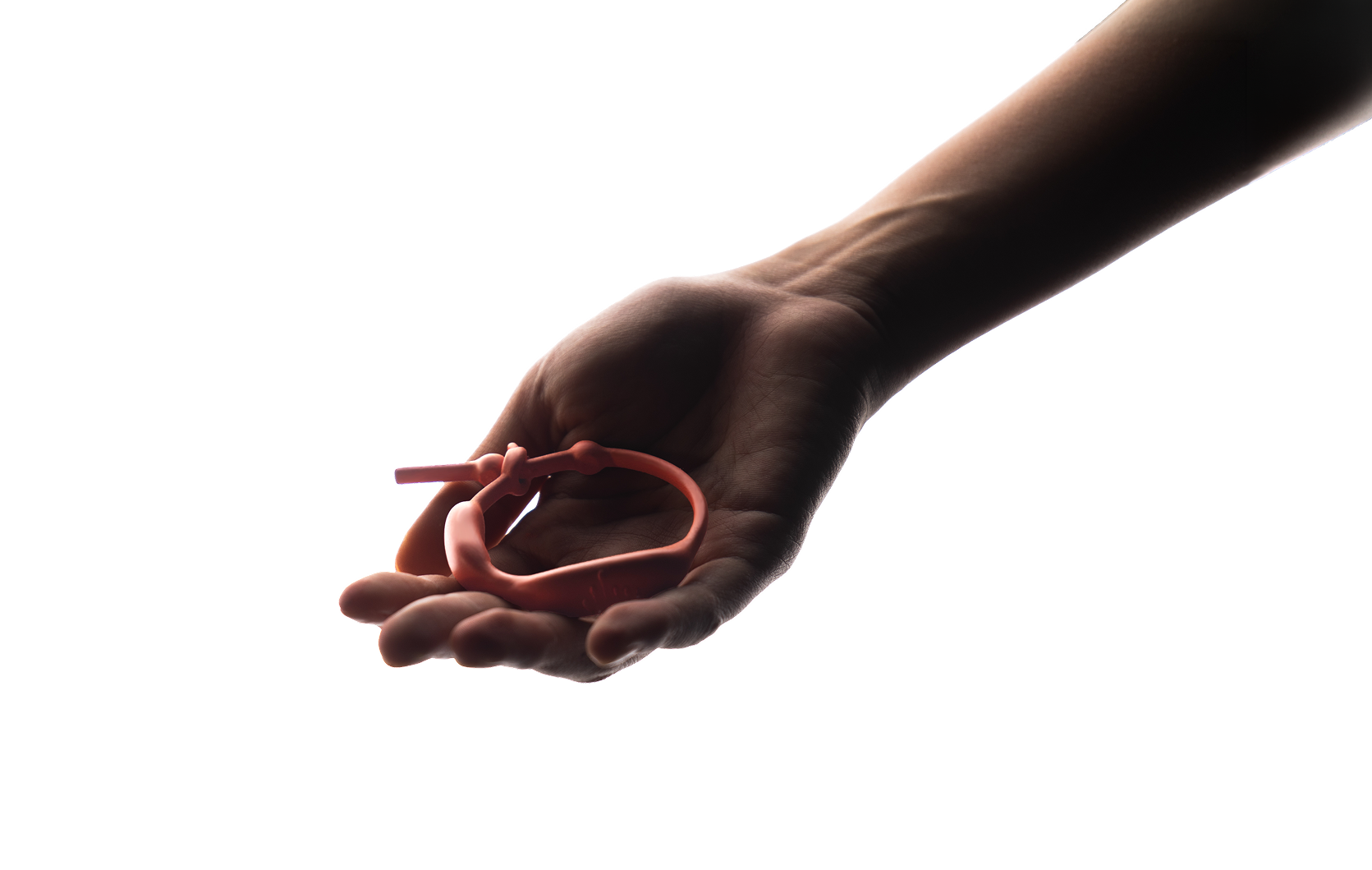 Human Scale
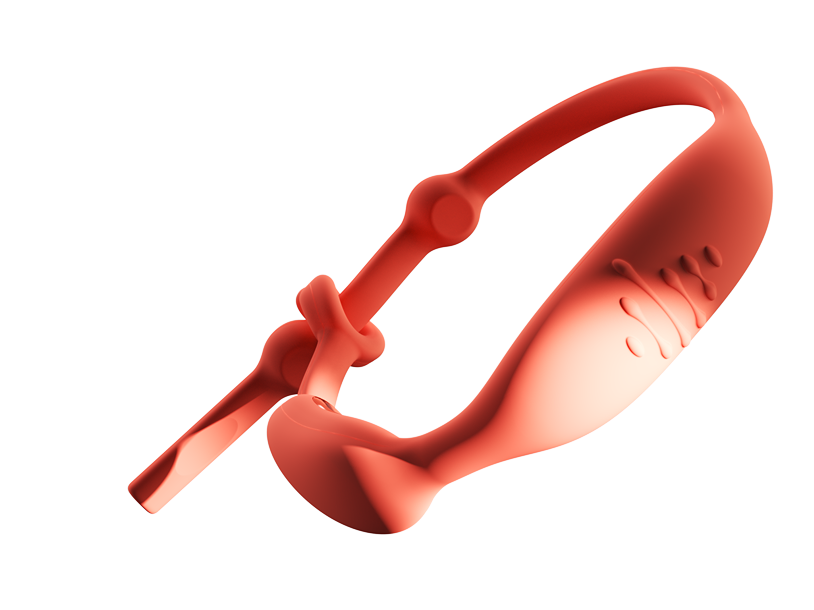 Soft Wearable
 Adjustable Expansion Band
A spatial anchor for indoor awareness.
A wall-mounted anchor that defines indoor position and charging.
Anchor
Defines the spatial reference point.
Charge
Supports charging for both devices.
Locate
Stabilizes position through spatial context.
 Spatial Anchor
 PUI Anchoring
 Charging Experience
Haptic for urgency.
Stereo sound for direction.
TTS for context.
Urgency, direction, and context are separated into different sensory channels.
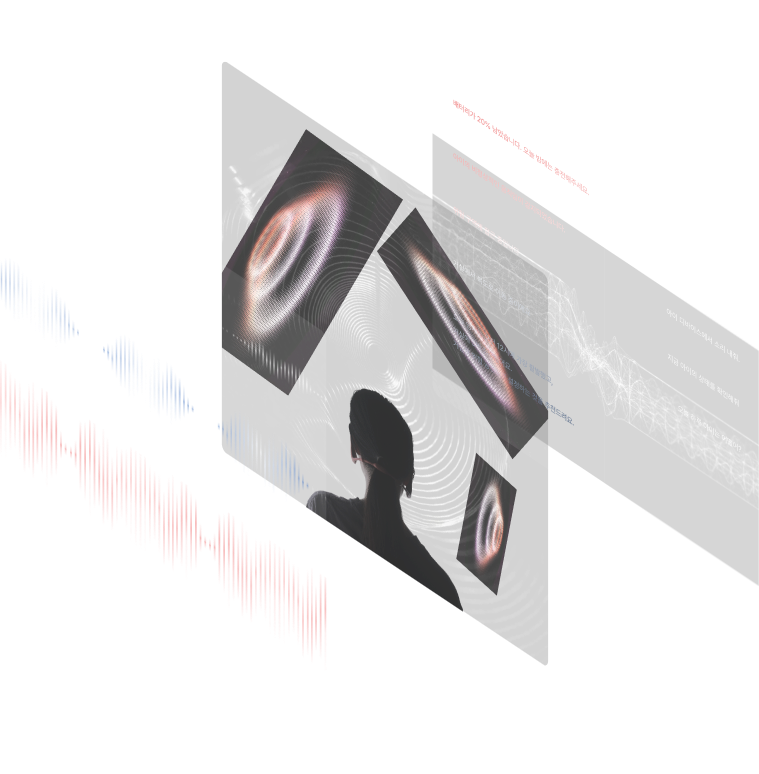
AI-powered,
designer-decided.
AI supports analysis. The final product language is defined by designer judgment.
User Problem
Indoor child awareness without visual information.resona Data
General principles and specific user cases.Design Principles
Sensory interface principles.Virtual UT
Testing conflicts between sensory channels.Layer Structure
Haptic · Stereo · TTS.Final Series
Parent · Child · Beacon.Final scenes
and details.
Form, wearing experience, and sensory interaction are presented as a product launch sequence.
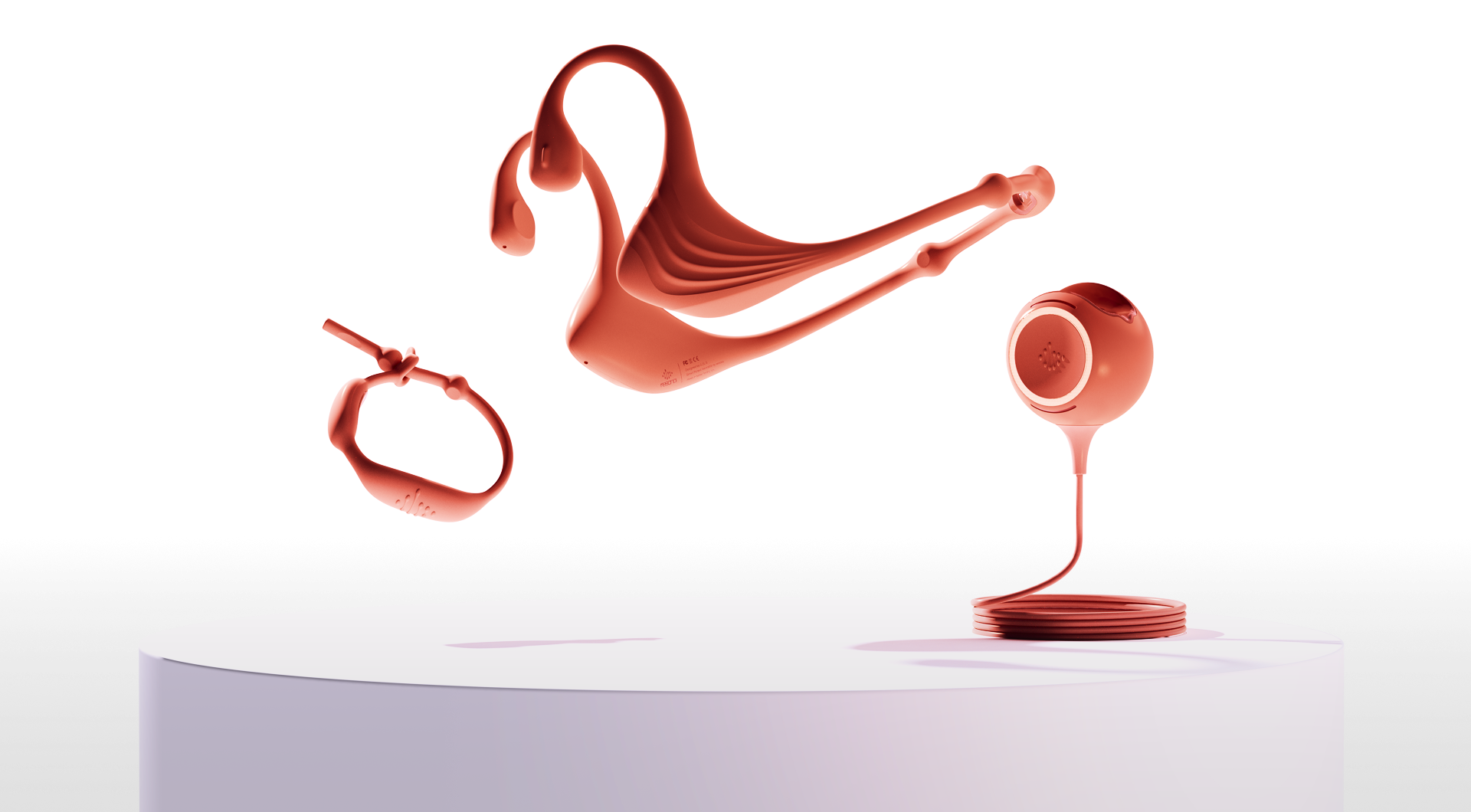 Final Product Scene
 Product FamilyObject RevealHuman Scale
Invisible space, translated into sensory feedback.